Beyond the Ice: Unveiling the Faroe Islands and Iceland on a Nordic Cruise
Some links in this post are affiliate links. If you book through them, I may earn a small commission at no extra cost to you. Thanks for supporting my work!
As an Amazon Associate, I earn from qualifying purchases. Read my full disclosure here.
The North Atlantic doesn’t ask for your attention; it demands it. One minute you’re setting sail and the next you’re watching magnificent cliffs rise from the sea – you can’t help but be blown away.
The Faroe Islands and Iceland might make for great postcards, but they’re also where you get to have raw encounters with wild areas of the world that still feel untouched, and a cruise is one of the best ways to reach your destination.
The Allure of a Nordic Cruise
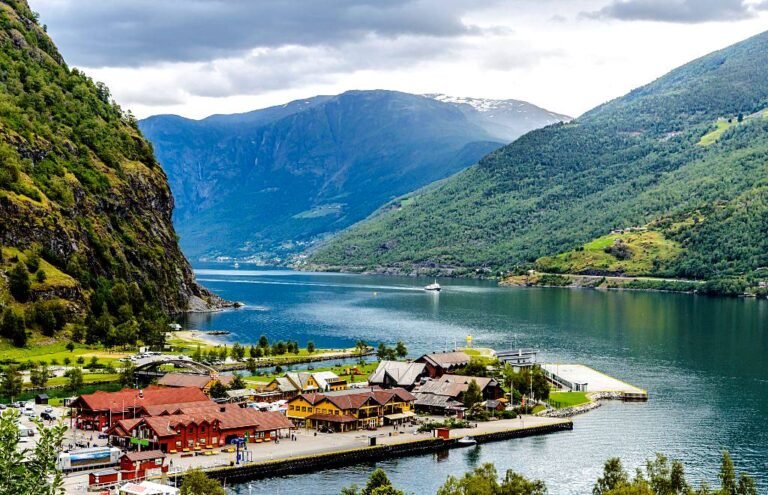
A cruise to the Norwegian fjords isn’t always the most obvious choice when planning a vacation, but those who have already taken this journey would do so again and again.
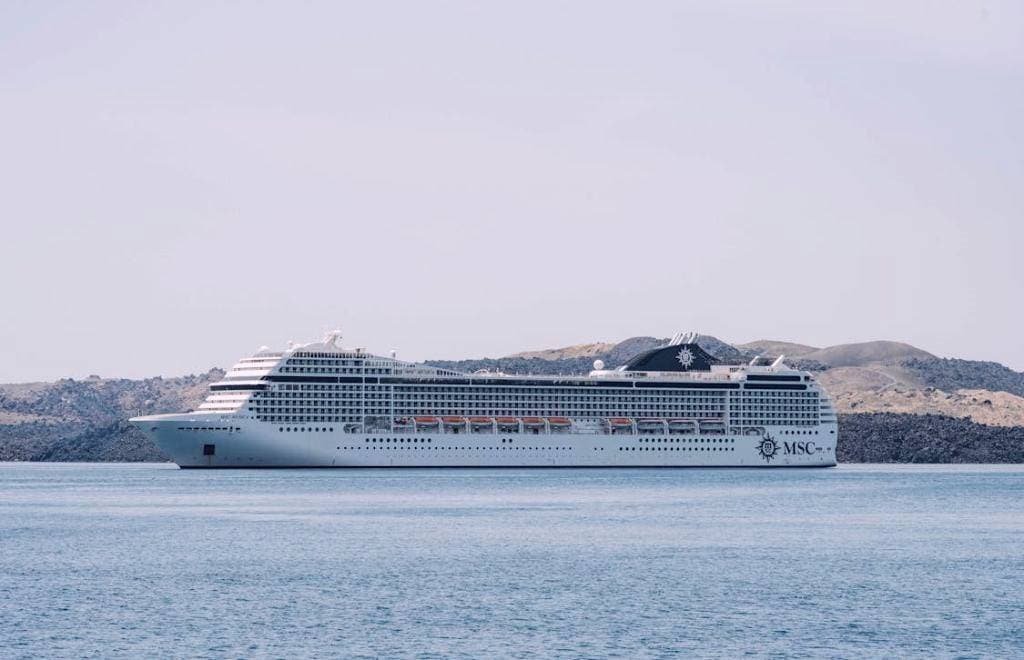
Reaching and navigating the Faroe Islands and Iceland can be tricky due to limited flight schedules, scattered islands, and unpredictable weather, but a cruise takes that guesswork and additional planning out of the equation.
A ship can get to spots that roads often can’t, so you can easily add remote harbors and tiny seaside villages to your itinerary without worrying about the logistics. Like the best holidays, the journey becomes an integral part of the experience.
Sailing through narrow fjords, watching the seabirds skim the water, and standing on a deck as a waterfall comes into view is not something you can experience through a car or train window.
Timing matters, though, and your sweet spot for a Nordic cruise is late spring to early autumn. The seas are calmer, there’s more daylight to enjoy, and the wildlife is most active.

Faroe Islands: Beyond Tórshavn
Many cruise lines stop in Tórshavn, the capital of the Faroe Islands and an exciting stop in itself. However, the real magic happens beyond the harbor.
If you arrive in summer, you can expect to see wildflower-covered hillsides, while in the cooler months, the area tends to be wrapped in a misty haze, perfect for all of those stories about Vikings.
What to See & Do
Further north, Saksun is a tiny settlement that’s famous for its tidal lagoon that shifts with the moon. At low tide, you can walk along the black sand right to the ocean, while high tide transforms the water into a giant mirror.
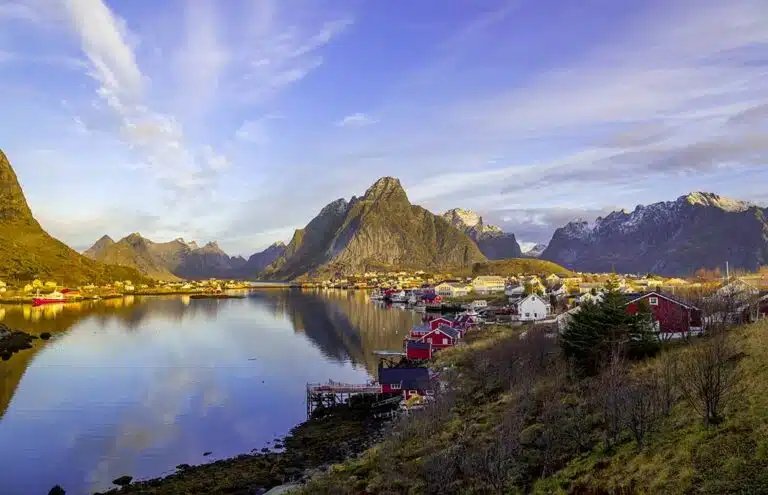
At the northeast tip of Eysturoy, you’ll find Gjógv, a natural harbor carved into the rocks and sheltered by cliffs. The contrasting blues and greens are a big hit among photographers, whether professional or amateur.
History buffs also shouldn’t miss Kirkjubøur, which is home to medieval ruins, incredible views, and one of the oldest inhabited wooden farmhouses.
Be sure to pack some sturdy boots and a waterproof jacket too, as there will be plenty of chances to hike.
As for the food, ræst kjöt, ræstur fiskur, and skerpikjøt soup, which is made with wind-dried lamb stock, are just a handful of the dishes you should try during your time in the Faroe Islands.
Ræst in Tórshavn and Restaurant KOKS at Hotel Føroyar are two of the top spots for these particular dishes.
Iceland: More Than Reykjavik
For many visitors, Reykjavik will be their first taste of Iceland, but there’s so much more to explore.
Beyond the capital, the hills and meadows of Akureyri and Siglufjörður explode into color in late summer, while in autumn, you may just be able to see the first streaks of the northern lights.
What to See & Do
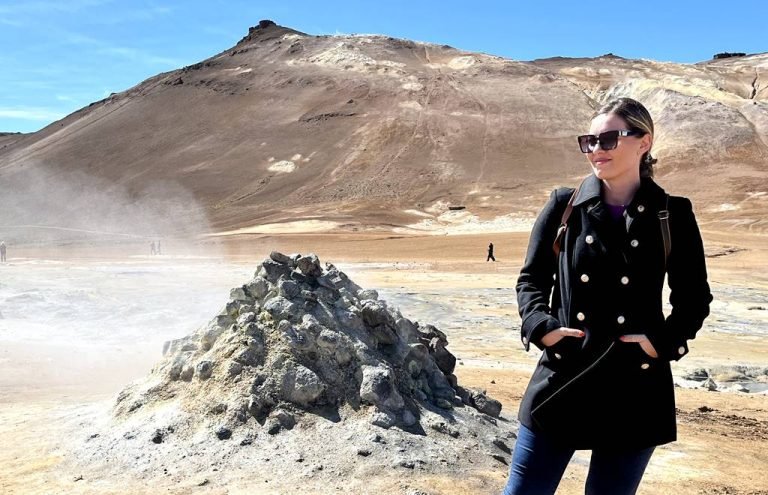
The Westfjords is one of Europe’s most remote and rugged regions. The towering cliffs and seabirds are the main features here, but it’s anything but boring. Between the boat rides and hikes, you can soak in natural hot springs with nothing but mountains around you.
Akureyri is also worth a stop, allowing visitors to “discover” a secret northern outpost. Whale watching is the biggest drawcard here, with humpback and minke whales often making an appearance.
If you’re in the mood for another short cruise, Siglufjörður is a must-see. This fishing village was once the herring capital of the North Atlantic and is now a colorful mix of restored buildings and museums. Even the harbor is a place you’ll want to hang around a little longer.
And make sure you don’t leave Iceland without trying plokkfiskur, rúgbrauð, and harðfiskur, (dried fish eaten with butter). It might not sound like it, but it’s a delicious snack – and the Kolaportið Flea Market is the best place to find it.
Wildlife Encounters: Whales, Puffins, and More
The scenery is unforgettable in the North Atlantic – as is the wildlife!
During the summer months, puffins arrive in their millions to breed, and Mykines is a prime viewing spot. The Látrabjarg cliffs also offer front-row seats to the puffin migration, but you will need to keep a respectful distance.
Some other land sightings you can look forward to include the arctic fox and the Icelandic ponies, which tend to be rather curious towards visitors.
If it’s whales you’re after, you won’t be disappointed. You may be able to spot whales from the ship, but you can also hop on a tour boat from Húsavík, Akureyri, and Reykjavik, which will place you in front of humpback and minke whales.
Orca pods make an appearance every now and then, as do white-beaked dolphins, harbor porpoises, and seals.
The best time for whale watching is between May and September, with calm mornings and late afternoons offering the best light and visibility.
Tips for Capturing the North on Camera
Photos are obviously going to be a big part of your trip, but the harsh lighting can sometimes make it trickier to capture good shots.
During summer, the “golden hour” can last for hours, with the sun low and warm, casting the perfect shadows for epic photos.
Shoulder season is another story. One moment the light is soft and ethereal, the next sharp and high contrast, so timing will be as important as your camera settings.
Early morning and late afternoon is always best for taking photos of your journey, but just be ready to adapt quickly as the clouds break and light shifts.
If you’re serious about returning with the best possible photos, here are some extra pointers:
- Be prepared for the elements. Your camera body and lens need to be able to handle moisture, so bring along lightweight, weather-sealed equipment, as well as a dry bag. A polarizing filter is also invaluable for cutting out some of the glare.
- Think in layers and lines. Fjords and cliffs guide the eye naturally, so use them as leading lines to draw viewers into the frame. Including a smaller object in the frame can also help give scale to landscapes.
- Embrace imperfections. Don’t see mist, drizzle, and fog as a problem. Instead, make them a part of your story to truly capture the mood.
- Use your unique viewpoint. Some of the best shots can be taken from the deck of your ship, so keep your camera handy. The elevated view makes for some of the best angles.
Practical Tips for Navigating Your Nordic Journey
A cruise is already going to remove a lot of the hassle of booking a trip to this side of the globe, but there are still a few things you should keep in mind.
- Time it right. If possible, schedule your trip for late May to early September. The days are longer, wildlife is out in full force, and the ocean is calmer.
- Layer your clothing. Temperatures have a tendency to swing from mild to brisk in the space of an afternoon, so pack clothing you can layer. A mix of base layers, a warm mid-layer, and a waterproof shell is recommended.
- Stay safe on hikes. If hiking is on your itinerary, you’re going to need strong, waterproof shoes. The terrain can be slick and uneven, so the right footwear makes a big difference.
- Bring a backpack. The morning might start out sunny, but it can change without warning, so keep a small backpack with you where you can store a jacket.
- Binoculars are worth the space. There will be times when you’re going to need a little help spotting the wildlife, so binoculars are always a good addition to your packing list.
- Back-up power is a lifesaver. A portable charger will keep your phone and camera powered up during long days ashore when outlets aren’t available.
Carrying the North Home
A Nordic cruise isn’t just designed to take you from port to port. It connects you to a landscape shaped by extremes, which not many people will have the chance to see and experience.
This is one of those trips that is going to linger in your mind long after you’ve returned home. Between the quaint fishing villages, dramatic landscapes, and the cute puffins, every part of this journey is going to leave you wanting more of the North.