Copenhagen Cruise Port Guide (Denmark)
Some links in this post are affiliate links. If you book through them, I may earn a small commission at no extra cost to you. Thanks for supporting my work!
As an Amazon Associate, I earn from qualifying purchases. Read my full disclosure here.
Copenhagen is one of the main Baltic cruise ports and a very manageable city to explore during a port day.
Cruise ships dock outside the historic centre, so you will need transport before sightseeing.
Once you reach the city, the main sights are compact and easy to visit independently.
Most cruise visitors spend the day in Copenhagen itself, with places like Nyhavn, Amalienborg, the Little Mermaid and Tivoli all fitting into a well-planned route.
This Copenhagen cruise port guide explains where ships dock, how to get into the city, and what you can realistically do during your cruise stop.
Where Cruise Ships Dock in Copenhagen
Copenhagen has three main cruise docking areas: Oceankaj, Langelinie Pier and Nordre Toldbod.
Oceankaj (Ocean Quay)
Oceankaj, also called Ocean Quay, is the main cruise terminal in Copenhagen.
Most large cruise ships and turnaround cruises use this area.
It is located in Nordhavn, about 20–30 minutes from central Copenhagen by shuttle, taxi or public transport.
Ships dock directly here, so tender boats are not used.
This is a commercial port area, not a walkable city pier.
You should not plan to walk from Oceankaj into the city centre.
Facilities are basic but practical, with terminal buildings, restrooms, tourist information, limited seating and occasional souvenir stands.

Langelinie Pier
Langelinie Pier is closer to the historic centre and is often used by smaller or mid-size cruise ships.
From here, you can walk toward the city in about 30–40 minutes along the waterfront.
The route passes the Little Mermaid and Kastellet, a 17th-century star-shaped fortress built to defend Copenhagen’s harbor.
There is no large cruise terminal at Langelinie, but the pier usually has small kiosks and seasonal visitor services.
If your ship docks here, independent exploring is much easier.
Nordre Toldbod
Nordre Toldbod is the closest cruise berth to central Copenhagen, but it is mainly used by smaller ships and expedition-style vessels.
From here, you can walk to Amalienborg Palace in about 10 minutes and Nyhavn in around 15 minutes.
Facilities are limited, as this is more of a working harbor area than a full cruise terminal.
Can You Explore Copenhagen on Your Own?
Yes. Copenhagen is easy to explore independently once you reach the city centre.
The city is flat, well signposted, and easy to navigate, with English widely spoken.
Walking works well, and cycling is also popular because Copenhagen is built around safe bike lanes.

The main factor is where your ship docks:
- Nordre Toldbod → easiest for walking
- Langelinie → possible scenic walk into town
- Oceankaj → transport needed first
If you are comfortable using public transport and keeping an eye on time, Copenhagen works very well as a DIY cruise port.
Getting Around from the Port
Your transport plan depends on where your ship docks.
From Oceankaj (Ocean Quay)
Oceankaj is located in Nordhavn and requires transport to reach the city center.
When cruise ships are in port, public buses (typically line 25 or 164) connect the terminal with Orientkaj Metro station.
From there, Metro line M4 runs directly into central Copenhagen.
Plan 30–40 minutes total to reach the city center, including transfer time.
A 2-zone ticket covers travel between the cruise port and central Copenhagen and allows transfers within the validity period.
Tickets can be purchased:
- At ticket machines at metro or train stations
- Via the Rejsebillet mobile app (English version available)
Tickets must be purchased before boarding buses or the metro.
Taxis are available at the pier and take about 20–30 minutes, depending on traffic.
This is the fastest option but significantly more expensive.
Some cruise lines offer paid shuttle buses into town, but availability varies by sailing.
From Langelinie
Langelinie is closer to the city.
You can:
- Walk along the waterfront (30–40 minutes to the Nyhavn area)
- Take bus 27 to Østerport Station (about 10 minutes)
- Take a taxi (10–15 minutes)
The waterfront walk passes The Little Mermaid and Kastellet, so it’s a practical option in good weather.
From Nordre Toldbod
This is the most convenient docking location.
Major attractions such as Amalienborg Palace and Nyhavn are within 10–15 minutes on foot.
No transport is required unless you plan to leave the city center.
Hop-On Hop-Off Buses
Sightseeing buses are usually available near cruise terminals when ships are in port.
This option works well if you prefer structured routing and commentary instead of navigating public transport.
Shore Excursions from Copenhagen
You do not need a tour for central Copenhagen, but excursions are useful for castles, nearby villages, Sweden day trips, or if you prefer transport handled for you.
👉 Browse shore excursions on Viator or GetYourGuide — trusted platforms popular for cruise travelers
How Much Time You Need in Copenhagen
4–5 hours
Stay in the historic center. Focus on Nyhavn, Amalienborg, and the harbor area. Do not plan regional trips.
6–8 hours
Ideal for most visitors. You can explore the center comfortably and add one major attraction, such as Tivoli or a canal cruise.
9+ hours
You may consider a half-day trip outside the city (Roskilde or North Zealand castles) in addition to central Copenhagen.
What to Do in Copenhagen Cruise Port
The main things to do in Copenhagen on a cruise stop are easy to combine if you keep your day focused.
Most cruisers spend their time in the historic centre, waterfront and canal areas, then add one palace, museum or viewpoint depending on time.
See the Little Mermaid and Walk the Waterfront
The Little Mermaid is the city’s most photographed landmark.

The bronze statue was unveiled in 1913 and is inspired by Hans Christian Andersen’s fairy tale.
It is smaller than many expect and requires only a short stop.
From there, you can continue along the harbor toward Kastellet, a preserved 17th-century star-shaped fortress originally built to defend Copenhagen’s harbor.
This works well as an easy walking route, especially if docking at Langelinie.
Allow 60–90 minutes, including photos and walking.
👉 Browse Copenhagen walking tours and harbor activities
Explore Nyhavn and Copenhagen’s Historic Centre
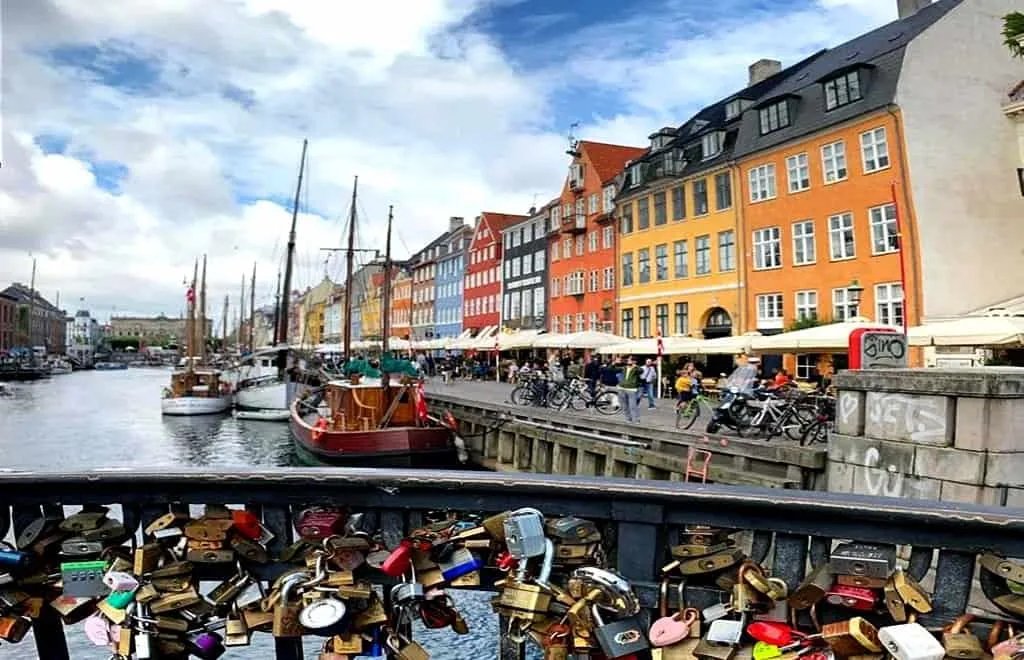
Nyhavn is the classic Copenhagen postcard view.
The 17th-century waterfront buildings once housed sailors and merchants.
Today, it’s the starting point for most independent walking routes.

From Nyhavn, you can comfortably walk to:
- Amalienborg Palace
- Strøget pedestrian street
- Christiansborg Palace
This forms the core of most cruise-day itineraries.
Allow 2–3 hours at a relaxed pace.
👉 Explore Copenhagen city walking tours
Take a Canal Cruise from Nyhavn
Nyhavn is the main departure point for Copenhagen canal tours.
These 1-hour cruises pass under low bridges and through the city’s harbor, offering views of Christiansborg Palace, the Opera House, and modern waterfront architecture.

This is one of the easiest ways to see multiple landmarks without additional walking.
It works well if:
- You have 6+ hours in port
- You prefer seated sightseeing
- The weather is good
Allow 60–90 minutes, including boarding time.
👉 Browse Copenhagen canal cruise tours
Visit Amalienborg Palace
Amalienborg Palace is the winter residence of the Danish Royal Family.
The palace complex dates to the 18th century and centers around an octagonal square.

Most cruise visitors either:
- Watch the Changing of the Guard (daily at noon), or
- Visit the museum inside a palace building

If time is limited, viewing the exterior and square is sufficient.
Allow 45–60 minutes.
👉 Check Amalienborg Palace guided tours and tickets
Visit Christiansborg Palace
Christiansborg Palace houses the Danish Parliament and stands on Slotsholmen island.
It is one of the few buildings in the world that contains all three branches of government.

The main draw for cruise visitors is the tower viewpoint, which offers one of the best city panoramas.
Interior visits require additional time and tickets.
Allow 60–90 minutes if entering.
👉 See Christiansborg Palace tours and entry options
Spend Time at Tivoli Gardens
Tivoli Gardens opened in 1843 and is one of the oldest amusement parks in the world.
It inspired Walt Disney during the design of Disneyland.

This works best if:
- You have a long port day
- You are traveling with children
- You want one focused experience rather than multiple stops
Plan at least 2–3 hours.
👉 Browse Tivoli admission tickets
Visit Rosenborg Castle
Rosenborg Castle was built in the early 17th century by King Christian IV.
It houses Denmark’s Crown Jewels and royal regalia.

The castle sits inside King’s Garden, a popular public park close to the city center.
Interior visits require time and involve stairs, so this is better suited to longer port days.
Allow 60–90 minutes.
👉 Explore Rosenborg Castle tours and tickets
Walk Through Christiania
Freetown Christiania is an alternative community established in the 1970s in a former military area.
It operates with its own informal rules and is known for street art and independent culture.

It is walkable from Nyhavn, but not essential for first-time cruise visitors.
Consider it only if you have additional time after seeing the main highlights.
👉 Explore guided visits to Christiania
Take a Half-Day Trip to Kronborg Castle
Kronborg Castle in Helsingør is a UNESCO World Heritage Site and known as the setting of Shakespeare’s Hamlet.
It is one of Northern Europe’s most important Renaissance castles.

Travel time from Copenhagen is about 45 minutes by train each way.
This is only doable if:
- You have 8+ hours in port
- You prioritize the castle over central Copenhagen
Allow 4–5 hours, including transport.
Should You Book a Shore Excursion in Copenhagen?
Usually, no.
Once you reach the centre, Copenhagen is safe, compact and easy to explore on your own.
A tour only makes sense if you want to visit places outside the city, such as Kronborg Castle, or if your port time is short and you prefer fixed transport.
For central Copenhagen, DIY works very well. For regional trips, a guided tour makes timing easier.
Practical Tips for Cruise Visitors
- The local currency is the Danish krone (DKK). Credit cards are widely accepted, and many places do not accept cash.
- Denmark does not use the euro. Do not rely on paying in euros.
- Allow at least 30–40 minutes each way if docking at Oceankaj.
- Public transport tickets must be purchased before boarding.
- English is widely spoken, including by transport staff.
- Weather can change quickly near the harbor, so bring a light layer even in summer.
- Most major attractions open around 10:00 AM. Check hours if your ship arrives early.
Is It Worth Staying in Copenhagen?
Yes. Copenhagen itself is the main reason cruise ships stop here.
The historic centre is compact, easy to explore, and full enough for a first-time port day.
Most visitors can comfortably focus on Nyhavn, the waterfront, palaces, canals and a few central sights without leaving the city.
Regional trips or castles only make sense if you have a long stop or have already visited Copenhagen before.
FAQ
❓ Is Copenhagen cruise port walkable?
It depends on where your ship docks. Nordre Toldbod is walkable to the centre, Langelinie is about a 30–40 minute waterfront walk, and Oceankaj requires public transport, shuttle, or taxi.
❓ How far is Copenhagen city centre from Oceankaj?
Oceankaj is about 7–8 km from central Copenhagen. Allow around 30–40 minutes to reach the city, depending on whether you use shuttle, taxi, bus, or metro.
❓ What is the best way to get from Copenhagen cruise port to the city?
From Oceankaj, use the shuttle, taxi, or public transport via Orientkaj Metro station. From Langelinie or Nordre Toldbod, walking into the city is realistic for many visitors.
❓ How much time do you need in Copenhagen on a cruise stop?
At least 5–6 hours is ideal for a comfortable city visit. This gives you time for Nyhavn, the waterfront, palaces, and one extra activity such as a canal cruise or museum.
❓ Is Copenhagen expensive for cruise visitors?
Yes. Copenhagen is one of the more expensive Northern European cruise ports, especially for food, drinks and taxis. Walking, public transport and canal cruises help keep the day more affordable.
Helpful Resources
- Copenhagen cruise terminal information — docking locations and port maps.
- Rejsebillet app information — how to purchase metro, bus, and train tickets.
- Copenhagen metro map and zone overview — understand ticket zones from Oceankaj.
- Journey planner for public transport — check schedules before returning to the ship.
- Tivoli Gardens opening calendar — confirm seasonal operating dates.
- 3 Days in Copenhagen itinerary — structured plan if you’re staying before or after your cruise.
Ports Often Included with Copenhagen
Copenhagen is commonly included on Baltic Sea and Northern Europe itineraries.
- Stockholm — Frequently paired on Baltic capital sailings connecting Scandinavia with Finland and Estonia.
- Tallinn — A common medieval Old Town stop on Baltic cruises between Denmark and Finland.
- Helsinki — Often combined with Stockholm and Copenhagen on 7–10 day Baltic routes.
- Oslo — Included on Scandinavian-focused itineraries linking Norwegian fjords with Denmark.
- Warnemünde — Gateway port for Berlin, commonly paired with Copenhagen on Baltic sailings.
- Gdynia — Used as a gateway to Gdańsk, appearing on longer Baltic cruises.
Planning more cruises? You can browse all my regional cruise port guides here: Mediterranean • Caribbean • Northern Europe • USA & Canada • Australia & New Zealand • Middle East