Pointe-à-Pitre Guadeloupe Cruise Port Guide: 7 Best Things to Do
Some links in this post are affiliate links. If you book through them, I may earn a small commission at no extra cost to you. Thanks for supporting my work!
As an Amazon Associate, I earn from qualifying purchases. Read my full disclosure here.
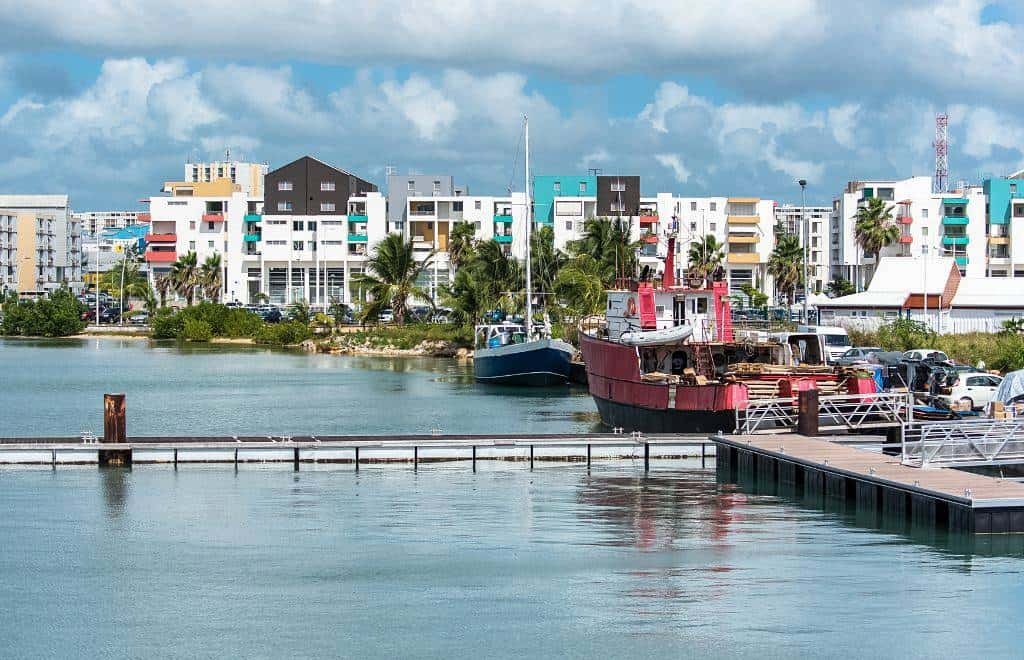
Pointe-à-Pitre sits on the southern coast of Guadeloupe, a French overseas territory in the Eastern Caribbean.
The archipelago is shaped like a butterfly, made up of two main islands—Basse-Terre, known for its rainforest and volcanic peaks, and Grande-Terre, known for beaches and coastal towns, separated by a narrow channel called Rivière Salée.
The cruise terminal is located on Grande-Terre, a short walk from the historic center of Pointe-à-Pitre.
From the port, you can easily reach markets, museums, beaches, and boat trips to smaller islands such as Marie-Galante, La Désirade, and Les Saintes.
Guadeloupe offers a mix of coastlines, nature, and culture, and most highlights are within easy reach on a cruise day.
Below you’ll find how the Pointe-à-Pitre port works and the best things to do during your stop.
Guadeloupe Cruise Port Overview
Cruise ships dock at the Port de Pointe-à-Pitre, located on Grande-Terre and only a short walk (10–15 minutes) from the historic center.
The port can host several large ships at once, and most passengers walk straight into town.
The terminal building offers free Wi-Fi, a tourist information desk, duty-free shops, and local craft stalls selling spices and handmade souvenirs.
Just outside the gates, you’ll find taxi stands with posted rates. Drivers typically accept euros and US dollars.
French is the official language in Guadeloupe, but English is commonly used in tourist areas, including the port.
Getting Around Guadeloupe
🚶♀️ Walking in Pointe-à-Pitre
The historic center is compact and walkable from the cruise terminal (about 10–15 minutes).
Markets, museums, and waterfront streets are easy to explore on foot, though exploring beaches and nature sites requires transport.
🚙 Renting a Car
Renting a car is the most flexible way to explore Guadeloupe beyond the city.
Roads are generally good, and driving lets you reach remote beaches, nature spots, and smaller coastal towns without relying on bus schedules.
🚕 Taxis
Taxis wait outside the terminal and work well for short trips. For longer rides, costs can add up, so always ask for the fare in advance.
Most drivers take euros and US dollars.
🚌 Public Buses
Local buses are affordable but slow and infrequent, especially outside populated areas. They’re useful between major towns but not ideal if you’re on a tight cruise schedule.
⛴️ Ferries to Nearby Islands
Pointe-à-Pitre serves as a ferry hub to Les Saintes, Marie-Galante, and La Désirade, great for beaches and snorkeling.
The ferry terminal is next to the cruise port, with daily departures.
🚌 Guided Tours
If you prefer a hassle-free day, guided tours cover top attractions like beaches, rum distilleries, rainforest trails, and coastal viewpoints.
They’re a good option if you want to see more than one place in a limited time.
👉 Explore Guadeloupe tours on Viator and GetYourGuide (my favorite options!)
Practical Tips for Guadeloupe
- Currency: Euros (€) are official; US dollars are accepted in many tourist areas.
- Language: French is the official language, but English is commonly understood near the port and on tours.
- Driving: Right-hand driving (same as the US & Europe). Roads are generally good.
- Payment: Cards are widely accepted; small markets may prefer cash.
- Beaches: Most public beaches are free; some offer paid umbrellas and facilities.
- Timing: If exploring independently, always keep an eye on ship time vs. local time.
- Ferry trips: Book early if visiting other islands; schedules can change based on weather.
📘 Planning a Caribbean Cruise?
Plan your trip with my Caribbean Cruise Port Guide, an all-in-one resource covering 40 ports across the region.
Inside, you’ll find detailed port insights, practical tips for getting around, and the top things to do at every destination — all in one easy guide.


7 Best Things To Do in Guadeloupe Cruise Port
With limited time in port, these highlights offer the best mix of beaches, nature, and local experiences you can easily enjoy in a single day.
1. Explore Pointe-à-Pitre on Foot
Pointe-à-Pitre is easy to explore from the cruise port. In about 10–15 minutes on foot, you can reach markets, cafés, and the main square.
It’s lively, colorful, and ideal for a quick taste of local life before or after a beach or nature excursion.

La Darse & Marché Couvert (Local Markets)
At the waterfront, La Darse and the covered spice market (Marché Couvert) are the best spots to browse.
Vendors sell seafood, Creole spices, vanilla products, handmade soaps, and small souvenirs. It’s authentic, busy, and great for sampling Guadeloupe’s flavors.
Place de la Victoire (Victory Square)
This shady plaza is the heart of the city. Surrounded by colonial buildings and cafés, it’s a good place to rest, people-watch, and grab a cold drink.
Street vendors often set up here, adding to the local vibe.
Memorial ACTe (Recommended Museum Stop)
A 15-minute walk south of the square, Memorial ACTe is a modern waterfront museum focusing on slavery and Caribbean history.
The exhibits are powerful and immersive, making it the most meaningful cultural attraction in Pointe-à-Pitre.
Optional Landmarks (Short Stops)
If you’re exploring nearby streets, you can stop by:
- St. Peter & St. Paul Cathedral
- Schoelcher Museum
- Saint-John Perse Museum
These are quick visits for architecture or history lovers, but not essential for a short cruise stop.
2. Plage de la Datcha & Gosier Islet (Îlet du Gosier)
About 15 minutes southeast of the cruise port, Plage de la Datcha is one of the best and easiest beaches to reach during a cruise stop.
It’s a wide stretch of white sand with calm, turquoise water, perfect for swimming, lounging, or grabbing lunch by the sea.

The beach has everything you need for a relaxing day: restaurants, snack stands, sunbeds, umbrellas, showers, and shaded spots for families.
It’s lively but not overwhelming, and the water stays shallow close to shore.
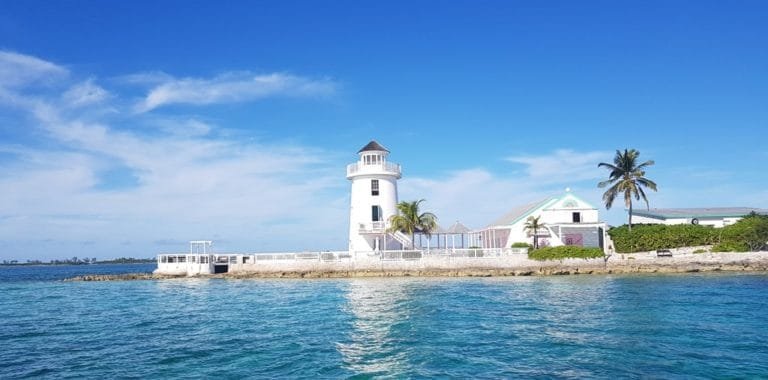
Just offshore sits Îlet du Gosier, a tiny island with a lighthouse and a protected reef.
Small shuttle boats run back and forth from the beach throughout the day, so you can spend part of your time swimming and the rest exploring the islet or snorkeling nearby.
This combo—easy access, great swimming, and a quick boat trip to a little island—makes Datcha one of the most cruise-friendly beach days in Guadeloupe.
3. Guadeloupe National Park (Basse-Terre Rainforest)
On the island of Basse-Terre, Guadeloupe National Park protects a huge stretch of rainforest, rivers, and volcanic terrain.
It’s one of the Caribbean’s largest nature reserves and a great escape if you want waterfalls and jungle scenery instead of beaches.

The park’s best stops for a cruise day are around the Chutes du Carbet (Carbet Falls) area. Trails here are well marked, the landscape is lush, and you don’t need to commit to long hikes to enjoy panoramic views and forest walks.
Even the viewpoints for the falls are impressive, with the tallest cascade dropping more than 110 m (360 ft).
While the park is also home to La Soufrière Volcano, the climb to the summit takes several hours and is best left for longer stays—not a cruise stop.
Expect cooler temperatures, misty forest air, and plenty of bird calls along the trails. Wear sturdy shoes, bring water, and check conditions if it has rained; the ground can get muddy and slippery.
4. Réserve Cousteau (Snorkeling at Malendure Beach)
On the western coast of Basse-Terre, the Cousteau Reserve is Guadeloupe’s most famous marine area and one of the top snorkeling spots in the Caribbean.
Named after Jacques Cousteau, it protects vibrant coral reefs around the Pigeon Islands, just offshore from Malendure Beach.
From the shore, boats shuttle visitors to the reserve, where you can snorkel among colorful fish, corals, sea turtles, and, at times, rays.
The water is clear, calm, and ideal for beginners as well as experienced snorkelers.
Malendure Beach itself has outfitters renting gear and offering glass-bottom boat tours.
For the best experience, most visitors join a guided excursion, which includes transport, equipment, and access to the best reef locations.
5. Rum Distillery Visits (Damoiseau, Longueteau & More)
Guadeloupe is known for agricultural rum (rhum agricole), made from fresh sugarcane juice rather than molasses.
Distillery tours offer a look at how cane is crushed, fermented, and distilled before becoming the island’s most iconic spirit.
Two popular options for cruise visitors are:
- Distillerie Damoiseau (Grande-Terre) — easy to reach from Pointe-à-Pitre, known for smooth aged rums and a lively tasting room.
- Rhum Longueteau (Basse-Terre) — one of the oldest family-run producers, located near scenic nature areas and sugarcane fields.
Tours usually end with a tasting of everything from strong rhum blanc to aged blends and flavored liqueurs.
Most sites also have shops, so you can take a bottle home as a souvenir.
6. Water Sports in Saint-François
About an hour from Pointe-à-Pitre, Saint-François is Guadeloupe’s main hub for water sports.
Steady trade winds and calm, warm waters make it a favorite for kitesurfing, windsurfing, sailing, and jet ski rides.
Whether you’re a beginner or already experienced, local schools along the beach offer lessons and rentals.
From the marina, you can also join catamaran trips, deep-sea fishing excursions, and boat tours to nearby islands like La Désirade or Marie-Galante.
The area around the harbor is lively, with seafood restaurants, cafés, and small boutiques, ideal for a post-activity meal or a quick stroll.
7. Optional Island Day Trips (Les Saintes • Marie-Galante • La Désirade)
Some cruises offer longer port times that make island hopping possible.
If yours does, or if you’re returning to Guadeloupe, these smaller islands offer postcard beaches, quiet villages, and clear water for snorkeling.
Les Saintes (Terre-de-Haut)
The most popular island day trip, Les Saintes is known for turquoise bays, colorful houses, and French-Caribbean cafés.
- Best spots: Plage de Pompierre, Bourg village, and Fort Napoléon for panoramic views.
- Getting around: Rent a scooter or electric bike right off the ferry.
- Travel time: Fast ferries from Pointe-à-Pitre or Le Gosier (approx. 30–45 minutes).
This is the best option for cruisers if your schedule allows a full day.
👉 Explore Les Saintes tours and activities

Marie-Galante
Known for peaceful beaches and sugarcane landscapes, Marie-Galante is slower-paced and less developed.
- Top highlights: Plage de la Feuillère, distilleries, windmills, and quiet coves.
- Getting around: Renting a car or scooter is recommended.
- Travel time: Ferries depart from Pointe-à-Pitre and Saint-François (45–60 minutes).
Beautiful, but better if you’re spending more than a single cruise day on the island.
👉 Check out Marie-Galante tours and activities

La Désirade
The quietest of the three, La Désirade offers remote beaches and undeveloped landscapes.
- Best for: Relaxing, hiking, and crowd-free beaches.
- Top spots: Plage à Fifi and Plage du Souffleur.
- Travel time: Ferries leave from Saint-François, about 1 hour from the cruise port.
Due to travel time, La Désirade is not recommended for a short port stop.
👉 Explore La Désirade trips and boat tours
💡 Cruise Tip: Always check your ship’s all-aboard time before booking a ferry trip. Independent island visits are best for cruisers with a late departure or ship-organized excursions.
Other Beautiful Beaches in Guadeloupe (For Longer Stays)
If you’re planning a return trip or staying on the island longer, Guadeloupe has many stunning beaches beyond Plage de la Datcha. The most popular ones include:
- Grande Anse (Deshaies) – Long golden bay backed by lush hills and calm water; approx. 50 min from the port.
- Plage de la Caravelle (Sainte-Anne) – White sand and turquoise lagoon; approx. 30 min drive.
- Plage du Souffleur (Port-Louis) – Quiet, scenic, relaxed atmosphere; approx. 50 min north.
- Plage Bois Jolan (Sainte-Anne) – Shallow, calm, great for families; approx. 45 min drive.
- Anse à la Gourde (Saint-François) – Clear water and great snorkeling; approx. 1 hour away.

These beaches are amazing, but due to travel time, they are better for overnight stays than short cruise stops.
👉 Explore more beaches on Guadeloupe tours & water activities
Wrapping Up
A stop in Pointe-à-Pitre gives cruise visitors the chance to enjoy beaches, snorkeling, scenic nature, and local culture, all within a day.
Whether you explore on your own or join a guided tour, Guadeloupe is one of the Caribbean’s most rewarding cruise ports to visit.
FAQ: Pointe-à-Pitre Guadeloupe Cruise Port
❓ Is Pointe-à-Pitre safe for cruise visitors?
Yes. The cruise terminal and nearby city center are generally safe to explore on foot. Use the same precautions you would in any busy area: keep valuables secure and stay aware of your surroundings, especially in crowded markets.
❓ How do I get from the cruise port to the beach?
Plage de la Datcha in Le Gosier is the easiest option. You can take a taxi from the port (about 15 minutes). From the beach, a small boat can take you to Îlet du Gosier for snorkeling and exploring.
❓ What currency should I use in Guadeloupe?
Guadeloupe uses the Euro (€). US dollars are accepted by some taxi drivers and tour providers, but paying in euros is more convenient. Credit cards are widely accepted in shops and restaurants.
❓ Do people speak English in Guadeloupe?
French is the official language. English is commonly understood around the cruise port, in shops, on beaches near Le Gosier, and on organized tours. Learning a few French phrases is always appreciated.
❓ Can I visit other islands (Les Saintes, Marie-Galante) on a cruise day?
Only if your ship stays late. Ferry travel plus island time can be tight on short port stops. Les Saintes is the most realistic option for cruisers; Marie-Galante and La Désirade are better for overnight stays or ship-organized excursions.
❓ Is Guadeloupe good for snorkeling?
Yes. The best snorkeling near the cruise port is at Îlet du Gosier. For world-class snorkeling, head to the Réserve Cousteau at Malendure Beach, usually as part of a guided tour.
❓ Which side of the road does Guadeloupe drive on?
Cars drive on the right side of the road, the same as in the United States and mainland Europe. Roads are generally in good condition, but traffic can be heavy near Pointe-à-Pitre.
Helpful Resources for Guadeloupe Cruise Port
🌐 Useful Websites
- Find the Port of Guadeloupe on Google Maps
- Guadeloupe Cruise Ship Schedule
- Guadeloupe Tourism Board
- Local Weather Forecast
🚢 Ports Often Included With Guadeloupe Cruises
Cruises that visit Pointe-à-Pitre often include a mix of Caribbean favorites:
- St. Maarten – Dutch/French island vibes, beaches & shopping
- St. Lucia – Pitons, rainforests & volcanic beaches
- St. Thomas (USVI) – views from Paradise Point & snorkeling
- San Juan (Puerto Rico) – colorful Old Town & historic forts
- Martinique – beaches, gardens & cultural attractions
- Dominica – waterfalls, hot springs & nature hikes
- Grenada – the “Spice Island,” beaches & rum distilleries
- St. Vincent – volcanic hikes & hidden waterfalls
- Barbados – historic Bridgetown & stunning beaches
- St. Kitts – scenic railway & rainforest trails
- St. Croix (USVI) – quiet beaches & colonial streets
You may also like our cruise port guides to the Mediterranean, Caribbean, Northern Europe, USA & Canada, Middle East, Australia & New Zealand
Adventour Begins contains affiliate links. If you make a purchase through these links, we may earn a commission at no additional cost to you. For more details, please see our Disclosure Policy