Bonaire Cruise Port Guide: Beaches, Snorkeling & Tips
Some links in this post are affiliate links. If you book through them, I may earn a small commission at no extra cost to you. Thanks for supporting my work!
As an Amazon Associate, I earn from qualifying purchases. Read my full disclosure here.
Bonaire is a small island in the Southern Caribbean, part of the ABC trio with Aruba and Curaçao.
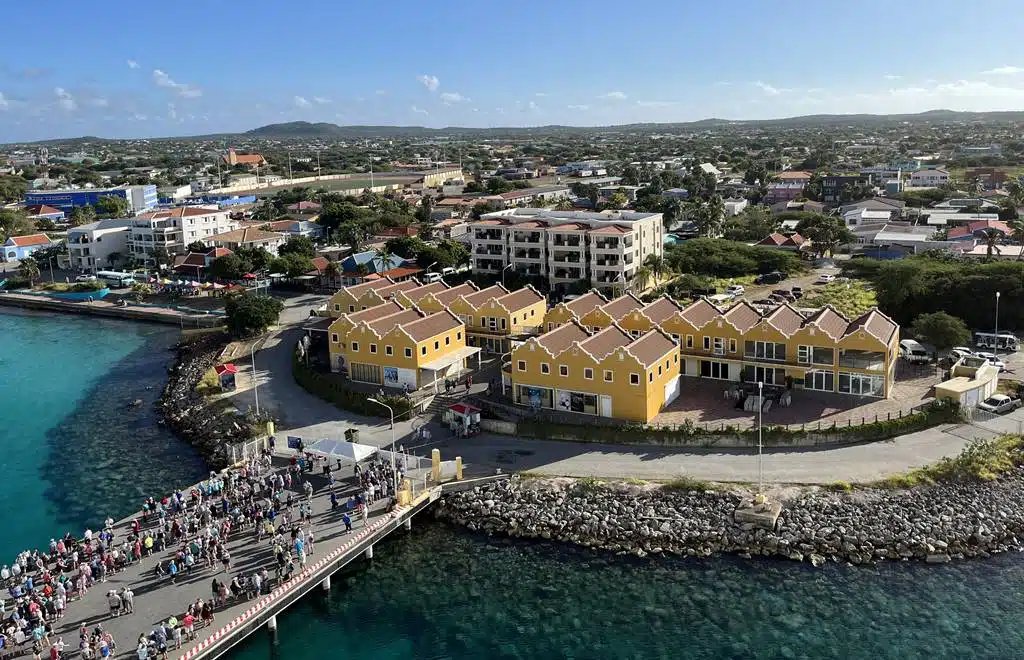
Cruise ships dock right in Kralendijk, and the moment you step off the gangway, you’re already in town — cafés, shops, and the waterfront all within a few minutes’ walk.
I’ve visited Bonaire several times on cruise ships. It’s not my favorite ABC island when it comes to beaches or sightseeing, but the snorkeling is on another level.
You don’t need a long boat ride, just a mask and fins — walk into the water, and you’re immediately surrounded by fish, corals, and sometimes turtles. It’s still one of the best snorkeling days I’ve had in the Caribbean.
This guide covers the cruise port location, how to get around, and the best things to do in Bonaire on a cruise stop, with simple ideas you can actually fit into a single port day.
Bonaire Cruise Port Overview
Bonaire’s cruise pier is right on the southwestern coast, in the center of Kralendijk.
There’s no big terminal building — just the gangway, a security tent, and you’re out in the open. Everything is flat and easy to move around, even if you’re using a wheelchair or have walking difficulties.
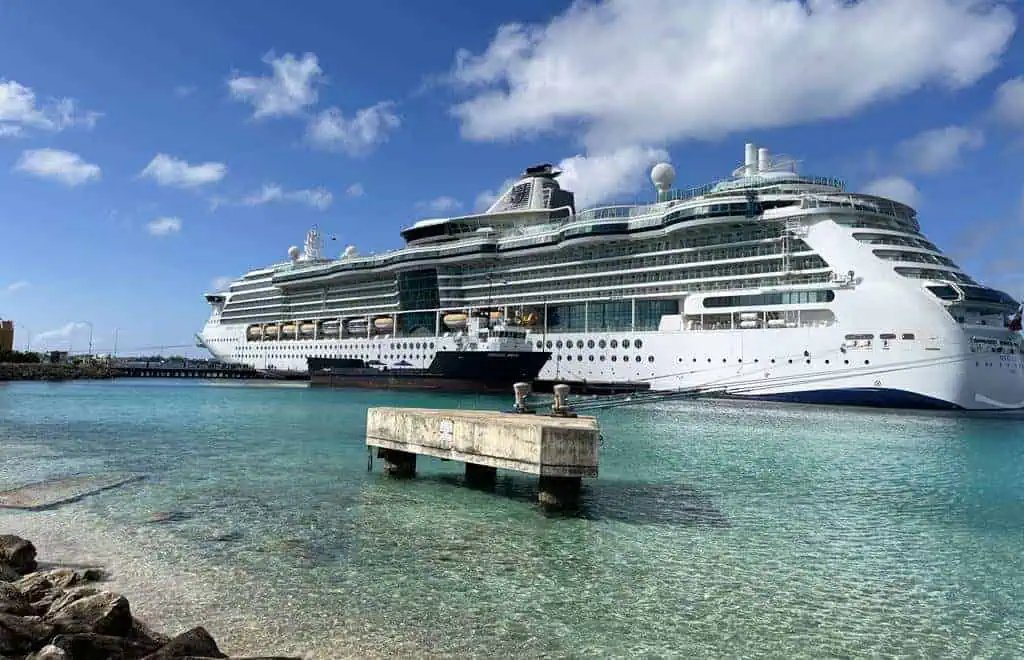
The town is a short walk away, around five minutes along the waterfront.
Directly in front of the pier is the South Pier Mall. It has jewelry and souvenir stores, a small café across from the ships, a couple of ATMs, and a tourist information desk where you can grab a map. It looks lively when a ship is docked, but most items are priced for cruise passengers.

I usually take a few minutes to walk into downtown first (it’s a simple five-minute stroll), compare prices, and only then buy something at the pier if I haven’t found it in town.
As soon as you exit the mall area, you’ll see local vendors offering island tours, snorkeling trips, and the water taxi to Klein Bonaire. You won’t miss them — they’re right by the walkway.
📸 Check out my YouTube video for a closer look at the Bonaire cruise port and what to do nearby.
Getting Around Bonaire
Bonaire is small and very walkable around the port area. Kralendijk is just a few minutes on foot, so you don’t need transportation if you plan to stay near the waterfront, shop, or visit cafés.
🚖 Taxis
Bonaire doesn’t really have a functional public transport system, so most cruisers use taxis. The taxi stand is right outside South Pier Mall, a few steps from the ship.
Cars range from sedans to minivans, and drivers often wait until they have a few passengers going to the same place, then leave for a set round-trip price.
It’s simple, and most beaches and viewpoints are just a short drive away.
🚌 Guided tours
If you like having your day planned for you, guided tours are the easiest way to explore Bonaire. They cover snorkeling spots, salt flats, Klein Bonaire transfers, or island highlights.
Tours often sell out on busy cruise days, so it’s a good idea to book in advance to secure your spot.
👉 Explore top-rated Bonaire tours on Viator and GetYourGuide (my favorite trusted options)
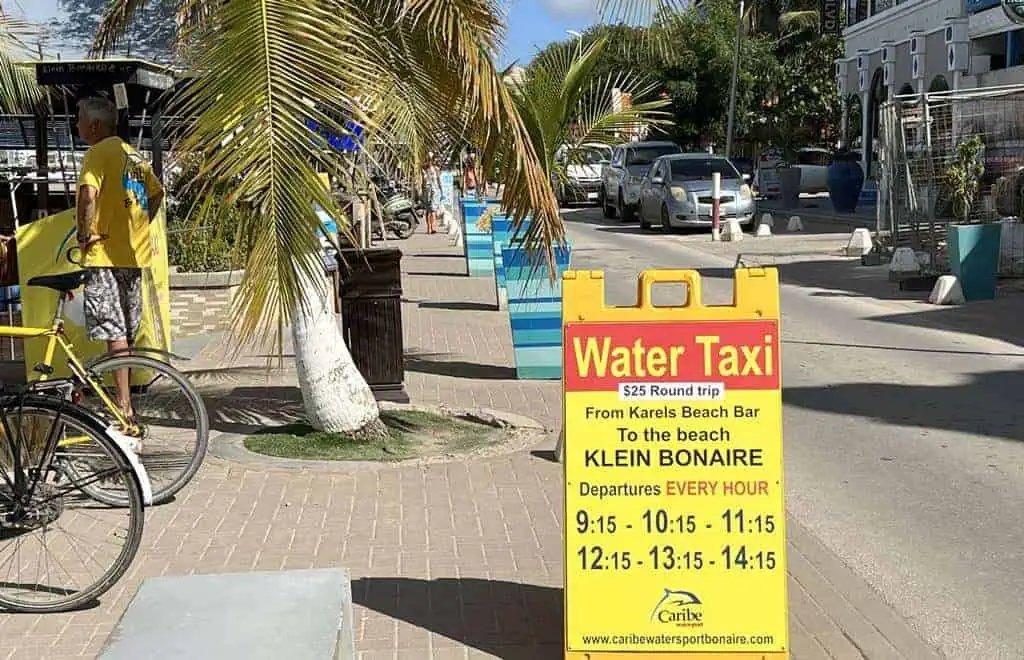
🚤 Water Taxi to Klein Bonaire
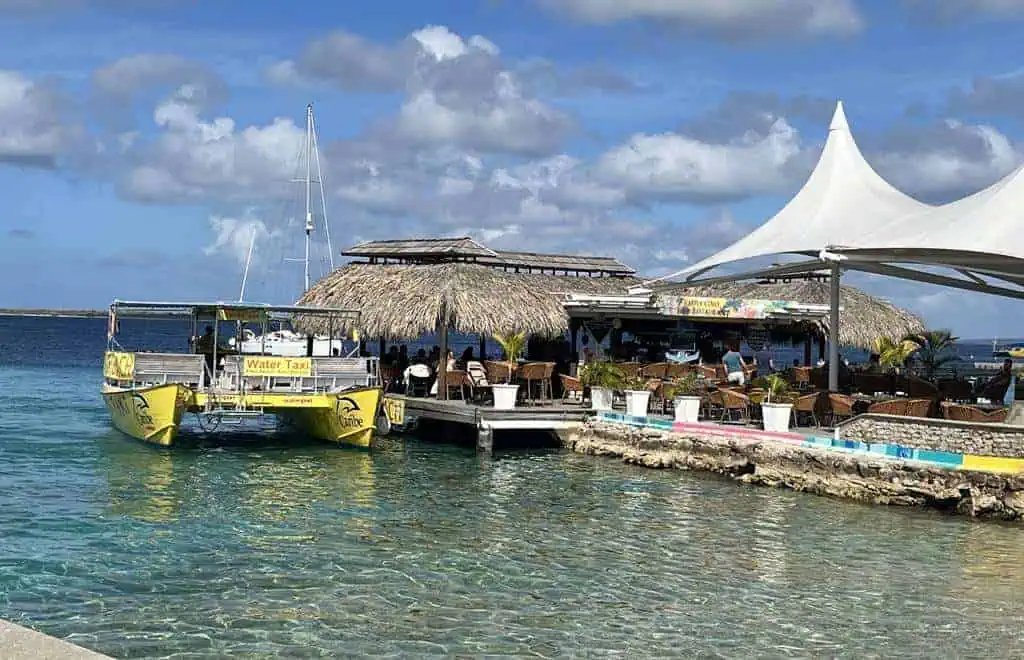
The water taxi stand is just outside the cruise pier, and boats run throughout the day. The ride takes about 15–20 minutes each way and drops you directly at No Name Beach.
There are no facilities on the island, so bring water, snacks, sunscreen, and your snorkel gear. Always check return times before you board — afternoon boats fill up quickly on cruise days.
🚐 Local buses
Buses exist but they’re small and not built for cruise schedules. They can’t take many passengers and the ride can be rough. If you have neck or back issues, avoid long rides in these vehicles.
Practical Tips for Cruisers
- Terrain & comfort: Roads can be uneven, especially outside Kralendijk.
- Weather: Bonaire is outside the hurricane belt, so conditions are stable all year — hot, sunny, and often windy.
- Money: USD is the official currency. ATMs are in town and most places accept cards.
- Airport: Bonaire International Airport is about 3 km (1.8 miles) south of the port — roughly a 7-minute drive.
- Independent vendors: You’ll find local tour sellers and the water taxi to Klein Bonaire just outside South Pier Mall.
📘 Planning a Caribbean Cruise?
Plan your trip with my Caribbean Cruise Port Guide, an all-in-one resource covering 40 ports across the region.
Inside, you’ll find detailed port insights, practical tips for getting around, and the top things to do at every destination — all in one easy guide.


7 Best Things to Do in Bonaire Cruise Port
Bonaire is compact — you can cross it north to south in under an hour. Almost every beach, viewpoint, or attraction is within a short drive from the cruise pier, so it’s easy to fit a lot into a single port day.
1. Snorkeling & Underwater Experiences
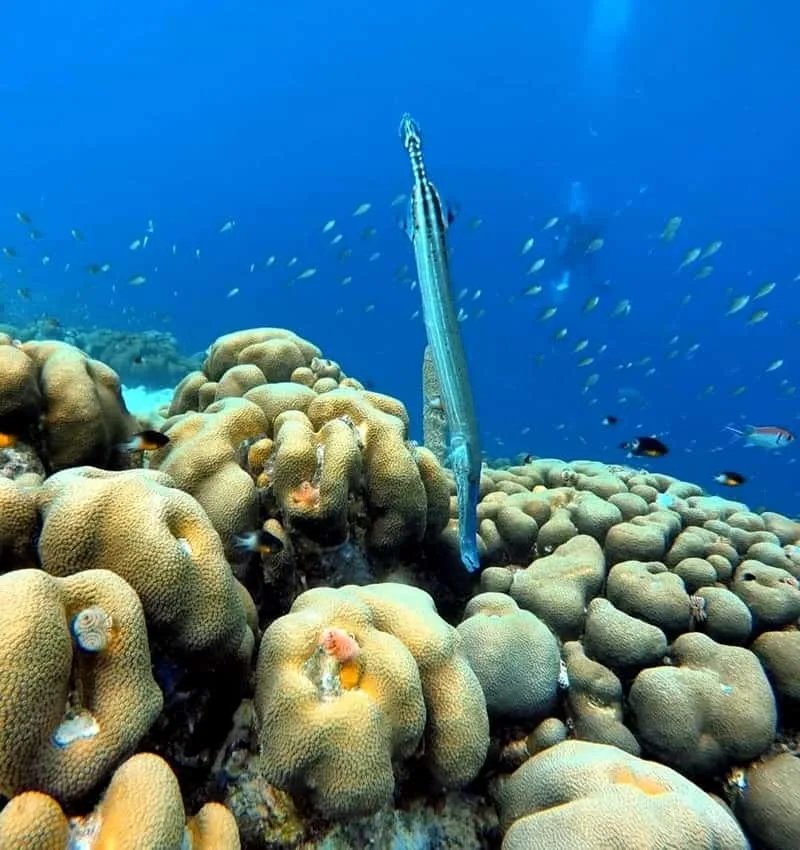
Bonaire is one of the best places in the Caribbean for snorkeling. The entire coastline is protected as the Bonaire National Marine Park, so you don’t need a long boat ride — the reef starts close to shore.
I’ve snorkeled here several times, and it’s still some of the clearest water I’ve seen on a cruise stop.
The spots cruisers talk about the most are easy to reach and beginner-friendly:
- Klein Bonaire (No Name Beach): shallow, calm water and colorful fish.
- 1000 Steps: crystal-clear water and turtles, but rocky entry and stairs.
- Bari Reef: shore entry with some of the highest biodiversity in the Caribbean.
If you only have one day, Klein Bonaire is usually the easiest “wow” experience.


Klein Bonaire (No Name Beach) — Water Taxi
Klein Bonaire is an uninhabited island just across from Kralendijk. The water is calm, shallow, and perfect for snorkeling, even if it’s your first time.
There are no facilities, shade, or rentals, so bring water, snacks, reef-safe sunscreen, and your snorkel gear.
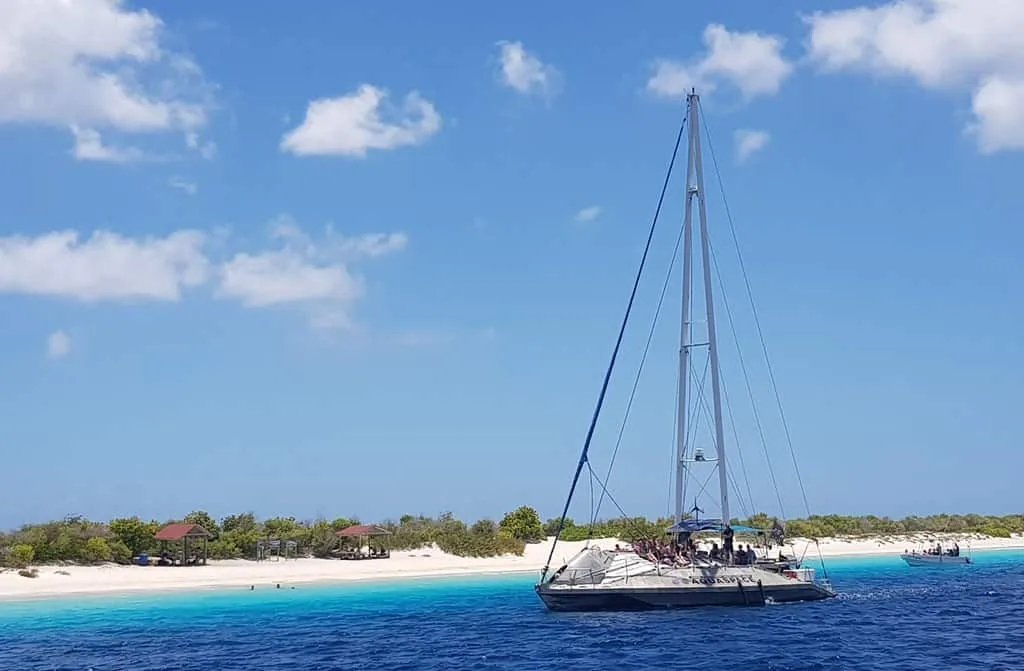
You can reach it by water taxi from the area just outside the cruise pier. The ride takes about 15–20 minutes.
Boats typically run on a schedule and fill up on cruise days, so ask about return times before you board.
It’s very easy and a great option if you want to spend a few hours in the water without committing to a full tour.

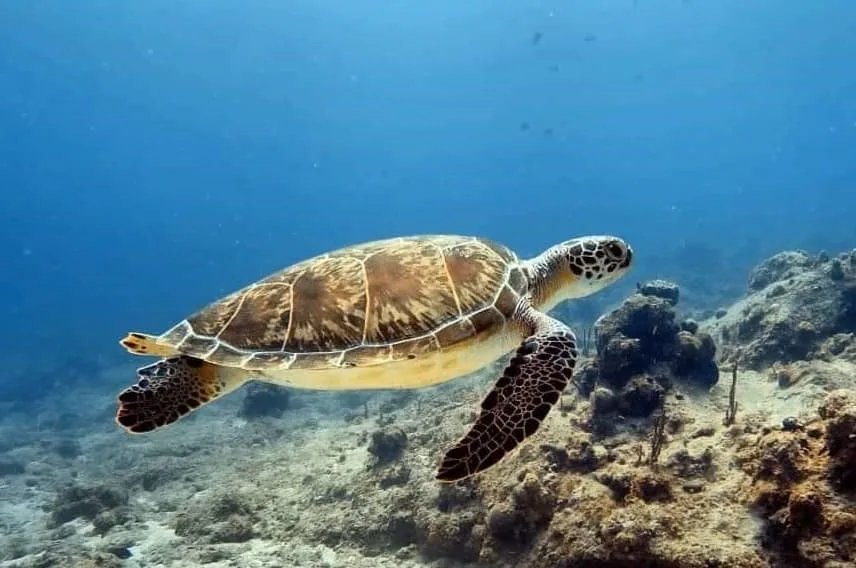
Catamaran & Boat Tours
Catamaran and boat tours take you to deeper reef areas within the marine park that you wouldn’t reach from shore.
They usually include snorkel gear, drinks, and one or two swim stops in clear, open water. These excursions are relaxed, scenic, and perfect if you want to be out on the sea rather than staying in town.

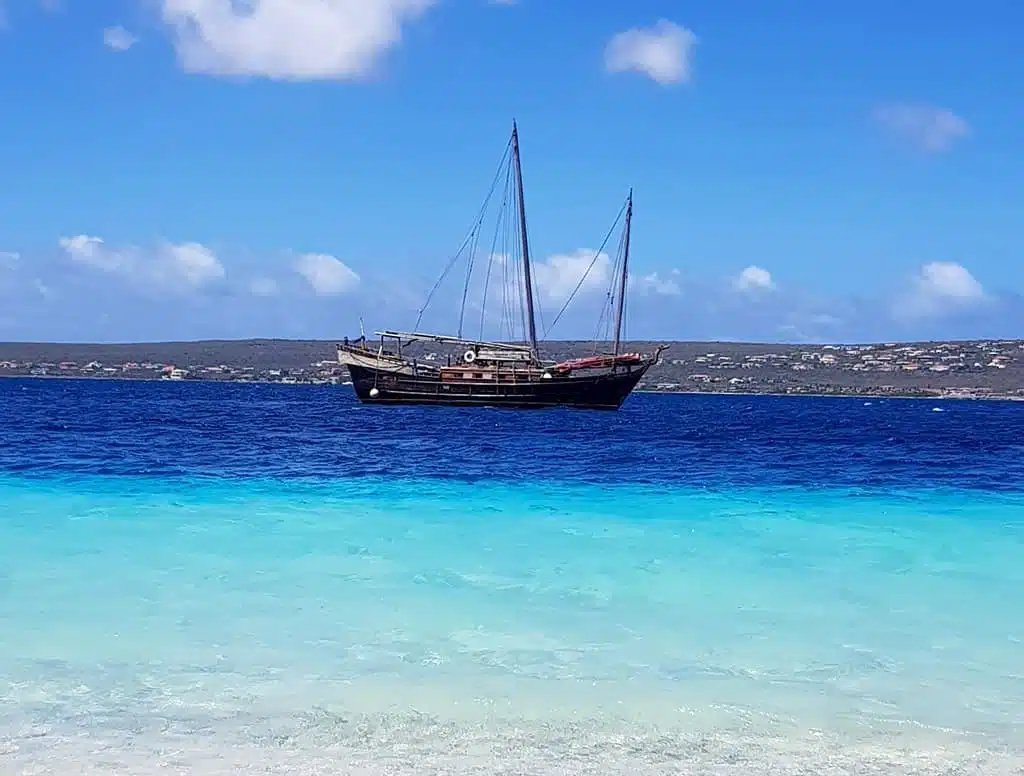
On busy itineraries, catamaran trips sell out quickly, so book in advance if it’s a must-do. Make sure the tour is cruise-ship friendly and that return times match your All Aboard.
Expect a short walk (around 5–10 minutes) from the pier to the departure dock.
Snorkeling is optional, and most boats use a ladder to get into the water — good to know if you’re not a confident swimmer.
2. Beaches Near the Port (short taxi rides)
Bonaire isn’t known for long sandy resort-style beaches, but there are several great spots close to the cruise pier, especially if you enjoy snorkeling, calm water, or a quiet place to relax.
All beaches below are reachable in 5–20 minutes by taxi.
Te Amo Beach
Te Amo is the closest beach to the cruise pier, about 3 km (1.8 miles) away, so you can reach it in 5–10 minutes by taxi.
The water is calm and perfect for snorkeling straight from shore, especially if you bring your own mask and fins.
There are no official rental facilities or beach clubs here, so pack your gear, water, and sunscreen.
There’s usually a food truck nearby, which makes Te Amo an easy choice for a quick swim and a relaxed beach break.
Sorobon / Lac Bay Lagoon
Sorobon and the Lac Bay lagoon sit on the southeast coast, roughly 15–20 minutes from the pier. The water is shallow and turquoise with steady wind, which makes it ideal for windsurfing and beginners.
This area is less about swimming and more about water sports, beach bars, and a laid-back island vibe.
You’ll find rentals, lessons, and places to grab a drink or lunch along the shoreline.

Lac Cai Beach
Lac Cai sits on the quieter side of the lagoon, away from the busy Sorobon area. The beach is calm and a good place to swim or snorkel, with clear turquoise water and soft sand.
There’s a small bar that serves food and drinks, and it feels much more local than the main beach clubs. If you want a peaceful spot to relax for a couple of hours, Lac Cai is a solid choice.


Palu di Mangel (Donkey Beach)
Just slightly farther south from Te Amo, Palu di Mangel offers more natural shade and a quieter atmosphere. Locals come here often, and the beach feels simple and authentic.
The reef is close to shore and great for snorkeling, but water shoes are useful because the entry is rocky. If you want a calm stop without the beach club scene, this spot works well.
Bachelor’s Beach
Bachelor’s Beach is a small, secluded strip of sand about a 10-minute drive from the port. Divers like it because the reef is easy to access from shore, and the water is usually clear.
There are no facilities, umbrellas, or rentals here—just peace and privacy. It’s a good option if you want to avoid crowds and don’t mind bringing everything with you.
👉 Explore the best Bonaire beach excursions
🏝️ A quick note about resorts
If you prefer a pool, sun loungers, and bar service, Divi Flamingo is within walking distance of the pier.
A few other beach clubs, like Coco Beach and Spice Beach Club, are a short taxi ride away and offer easier water access, food, drinks, and rental options. They’re great if you don’t want to deal with rocky shore entries or bring your own gear.
3. Explore Kralendijk (Walking Distance from the Pier)
If you don’t feel like taking taxis or tours, Kralendijk is an easy place to explore on foot.
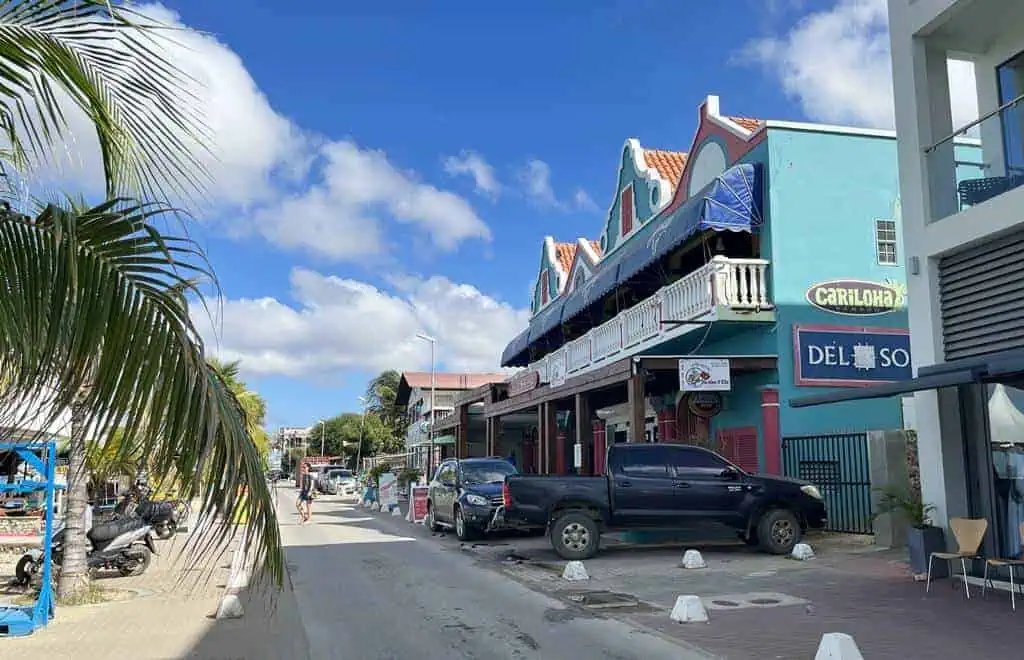
The town is small, colorful, and relaxed — you dock right in the center, so everything is a short walk along the waterfront.
I usually spend an hour or two here before heading to the beach or back to the ship.


Fort Oranje
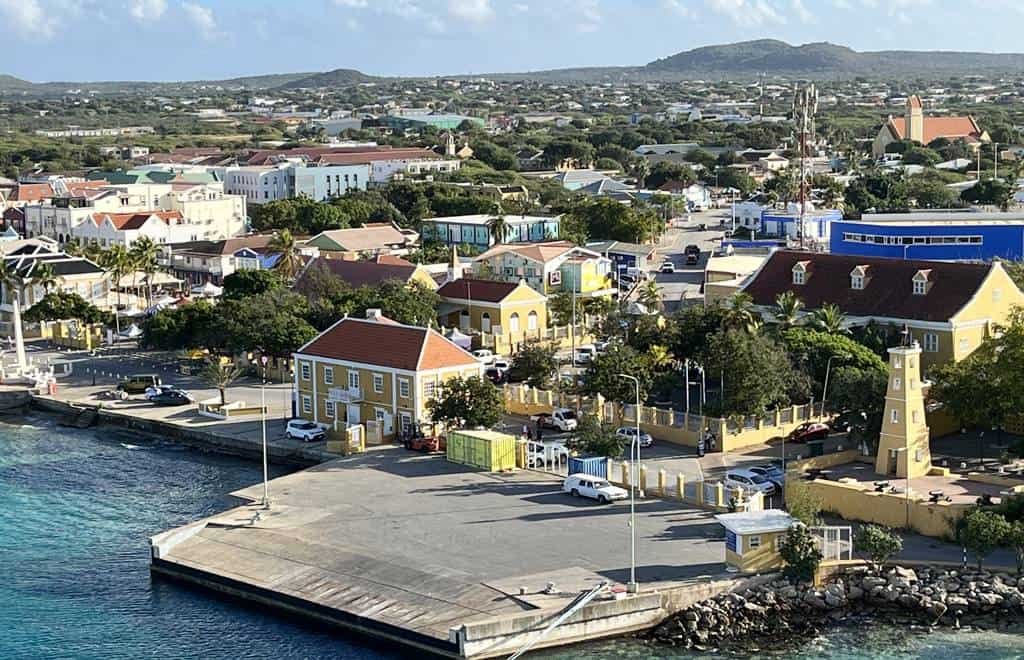
Turn left once you walk out of the South Pier Mall and follow the waterfront. You’ll reach Fort Oranje, a small 17th-century Dutch fort with a lighthouse.
There isn’t much to “tour,” but it’s a nice stop for photos and a quick look at the island’s colonial past.
Bonaire Arts & Crafts Market
A short walk from the fort, the local craft market is a great spot for handmade souvenirs — aloe products, jewelry, paintings, salt-based cosmetics, and small gifts.
It’s simple, friendly, and the prices are usually reasonable. Bring some cash and chat with the vendors — they’re always happy to talk about the island.

Kaya Grandi (Main Street)
Kaya Grandi is the main pedestrian street in Kralendijk. It has small shops, cafés, gelato, and a few bars if you want a drink before heading back to the ship.
It’s ideal for a slow stroll, buying souvenirs, or just soaking up the atmosphere — no planning needed.
Bonaire Museum of Natural History
A little farther inland, the Museum of Natural History is a compact stop that explains Bonaire’s people, archaeology, and ecosystem.
The entrance is usually free and the owner is very knowledgeable. If you enjoy small local museums, it’s an interesting 20–30 minutes indoors, especially on a hot day.
San Bernard Catholic Church
Close to the museum, San Bernard Church is a bright yellow landmark often included in sightseeing tours.
You can step inside briefly, take photos, and continue your walk. It’s not a long visit, but it fits naturally if you’re already exploring town.
4. Island Highlights (by taxi or guided tour)
If you’d like to see more of Bonaire beyond the port area, a taxi or guided tour is the easiest way to do it.
The island is small, the roads are simple, and most stops are within 20–30 minutes from the pier. A short sightseeing loop gives you a good feel of Bonaire’s history and nature without rushing.
Goto Lake (flamingos in the wild)
Goto Lake is one of the classic island stops and a nesting area for pink flamingos. You don’t walk down to the birds — you view them from a lookout point where they feed in the lagoon.
It’s peaceful, quiet, and a nice reminder of how untouched parts of Bonaire still are. Many tours pair this stop with Rincon and the viewpoints of Washington Slagbaai.

Slave Huts
Along the southern coast, you’ll see the small white and orange huts built in the 1800s for workers who harvested salt.
Six men would share one hut and live here for weeks at a time. It’s a simple place with a heavy story, and it helps you understand a difficult part of Bonaire’s past.

Salt Flats
The salt flats stretch along the road, with bright water pools and tall white salt pyramids in the distance. On clear days, the colors look surreal.
Flamingos often feed nearby, although they keep their distance. Most tours pull over for a few minutes so you can take photos.

Rincon Village
Rincon is the oldest settlement on the island, tucked inland where the wind is calmer. It’s small and authentic, with local bars, old buildings, and everyday island life.
Guides usually share a bit of history here and give you time to look around, grab a snack, or stretch your legs before continuing the tour.
1000 Steps
Despite the name, it’s not a thousand stairs, but the staircase is still steep. The viewpoint overlooking the cliffs and turquoise water is beautiful, and turtles often swim close to shore.
Even if you don’t snorkel or go down to the beach, it’s worth a quick stop for photos.
5. Lac Bay / Sorobon Lagoon (water sports & nature)
Lac Bay is one of the most unique places on the island. The lagoon is shallow, turquoise, and protected by the mangroves, which is why the water feels calm even on windy days.
This part of Bonaire has steady trade winds and a sandy bottom, making it one of the best spots in the Caribbean to try windsurfing or take beginner lessons. I’ve seen complete first-timers get up on the board here — the conditions are ideal.
The mangrove area of Lac Bay is a protected reserve, and you can only explore it with a licensed guide.

Clear-bottom kayak tours are popular because you glide through the channels quietly and see fish, rays, and baby turtles without disturbing them. Some excursions also include a short snorkeling section in the lagoon.
If you want a calm few hours in nature, away from the town and the ship, Lac Bay is the right choice. Bring reef-safe sunscreen, water, and sunglasses — the wind makes the sun feel gentler than it is.
6. Washington Slagbaai National Park
Washington Slagbaai is a protected nature reserve in northern Bonaire and the island’s most rugged landscape.
You’ll find cacti, birds, secluded coves, small beaches, and old plantation sites scattered across a huge area of untouched terrain.

Access is only allowed with proper vehicles (4×4), and the roads are rough, so expect a full-day adventure rather than a quick stop.
Tours usually include the visitor center and museum, viewpoints, and a few scenic bays or natural blowholes.
It’s a beautiful place if you enjoy wild nature, but it’s not ideal for a short cruise day unless your ship stays in port longer.
7. Land Sailing in Bonaire (fun for all ages)
If you want to try something completely different, Bonaire has a land sailing track in the island’s wild open terrain.
You sit in a small three-wheeled “blokart,” raise the sail, and let the wind do the work. It’s easy to learn, you control your speed, and it ends up being much more fun than it looks at first glance.

The experience is family-friendly, and you don’t need any previous skills. Helmets, gloves, and safety gear are provided, and the instructors give a short briefing before you start.
It’s a great option if you want a break from beaches and snorkeling.
👉 Check out Bonaire land sailing tours
To Wrap Up
Most people come to Bonaire for the water, and it delivers every time. Add a quiet beach stop or a quick stroll through Kralendijk, and you’ll have a perfect port day without rushing anywhere. Enjoy your time in Bonaire! 🙂
FAQ: Bonaire Cruise Port
❓ Is Bonaire walkable from the cruise port?
Yes. The ship docks right in Kralendijk, so cafés, shops, and the promenade are a few minutes away on foot. You don’t need a shuttle to explore the town.
❓ What is the best beach near the Bonaire cruise port?
Te Amo Beach is the closest and easiest for a short beach stop. Palu di Mangel (Donkey Beach) and Bachelor’s Beach are a few minutes farther by taxi and great for snorkeling.
❓ How do I get to Klein Bonaire?
Take the water taxi just outside the cruise pier. The ride is about 15–20 minutes each way. There are no facilities on the island, so bring water, snacks, sunscreen, and snorkel gear. Always check return times before you go.
❓ Do I need a tour to snorkel in Bonaire?
Not necessarily. Many snorkel spots start close to shore, but catamaran/boat tours take you to deeper parts of the Marine Park. If you want a guaranteed “wow” reef experience, book a tour.
❓ Is Bonaire good for beginners?
Yes. Calm, shallow areas like Klein Bonaire and Lac Bay lagoon are ideal for first-time snorkelers, kids, and less experienced swimmers. The island is relaxed and easy to navigate.
❓ What currency is used in Bonaire?
The US dollar (USD). ATMs are available in town, and cards are widely accepted.
❓ How do I get around the island?
Taxis are the simplest option for cruisers. Many offer fixed-price round-trip drops to beaches or island highlights. There is no typical city bus network like in big cities.
❓ Can I visit Washington Slagbaai National Park on a cruise day?
You can, but it’s a long trip with rough roads and usually requires a 4×4. It’s best if you have a long port call or plan a dedicated day; otherwise, choose snorkeling, beaches, or a short sightseeing loop.
Helpful Resources for Bonaire Cruise Port
🌐 Useful Websites
- Find the port of Bonaire on Google Maps
- Bonaire Cruise Ship Schedule
- Bonaire Tourism Webpage
- Bonaire Weather Forecast
🚢 Ports Often Included with Bonaire
If your itinerary includes Bonaire, you may also visit:
- Aruba & Curaçao — colorful towns, turquoise beaches, Dutch-Caribbean vibe.
- St. Maarten — Dutch–French mix, shopping, beaches, and plane spotting.
- St. Thomas — great snorkeling, scenic beaches, easy port access.
- St. Kitts — island history, scenic railway, and volcanic landscapes.
- Grand Turk — relaxed beach days with swimming right near the pier.
- St. Croix — quiet beaches and colonial sites.
- Grenada — “Spice Island” markets, waterfalls, and lush scenery.
- Guadeloupe & Martinique — French Caribbean culture, food, and island hikes.
You may also like our cruise port guides to the Mediterranean, Caribbean, Northern Europe, USA & Canada, Middle East, Australia & New Zealand
Adventour Begins contains affiliate links. If you make a purchase through these links, we may earn a commission at no additional cost to you. For more details, please see our Disclosure Policy